Imagine never having to worry about a dead car battery again. Picture the ease of charging your battery at home, right in your garage.
With the right battery charger, you can make this a reality. You might think installing one is complex, but it’s simpler than you think. In this guide, you’ll discover how to install a battery charger in your garage effortlessly, saving you time and money.
Plus, you’ll gain peace of mind knowing your car is always ready to go. Ready to transform your garage into a convenient charging station? Keep reading to find out how you can do it yourself, step by step.

Credit: www.youtube.com
Choosing The Right Battery Charger
Choosing a battery charger can be tricky. Many types exist. Some are for small batteries. Others charge big ones. Size matters. Check your battery size first. Compatibility is key. Ensure the charger fits your battery type. Look for safety features. Overcharging can harm batteries. Chargers with auto shut-off help avoid this. Speed is important. Fast chargers save time. But they may cost more. Compare prices. Read reviews. User reviews give real insights. They help in decision making. A good charger lasts long. Invest wisely. Choose a well-known brand. It usually means quality.
Essential Tools And Materials
Gather all the necessary tools first. A screwdriver is a must-have. Make sure to have a drill too. You will need a measuring tape. Get some screws and wall plugs. You will also need wire strippers. Ensure you have cable ties for neatness. A voltmeter is also needed for safety.
Collect all the materials. You need a battery charger. Choose the right charger cable. Make sure it fits your battery type. Ensure you have mounting brackets. You might need a power strip. Check your garage power supply. Make sure it supports your charger.
Safety Precautions
Always wear protective gearlike gloves and goggles. Keep the area well-ventilatedto avoid fumes. Make sure the charger is unpluggedbefore starting. Avoid using the charger near water. Check if the charger is suitable for your battery type. Read the charger instructions carefullybefore use.
Keep flammable materialsaway from the charger. Ensure all connections are secureand tight. Never touch live wires or terminals. Double-checkthe battery connections before starting the charge. Keep children and pets away during installation.
Preparing The Installation Area
Make sure the area is free of clutter. Move all items away. Sweep the floor if needed. A clean space helps with easy installation. You avoid tripping over objects. This keeps the work area safe. Organize tools nearby for easy access. Label each tool if needed. Keep the charger box close by.
Open windows to let fresh air in. This helps prevent gas build-up. If possible, use a fan. Position it to push air out. Check vents for blockages. Good ventilation keeps you safe. It prevents overheating. Cool air helps the charger work better. Check if the air moves freely. Test the space by standing still. Feel the air flow around you.
Mounting The Charger
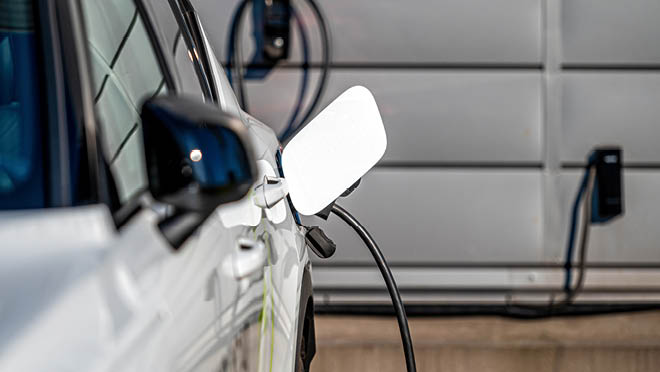
Choose a spot away from water. Keep it far from flammable items. Ensure it’s close to a power outlet. Avoid direct sunlight. This helps the charger stay cool. The spot should be easy to reach. Safety comes first.
Use strong screws to hold the charger. Make sure it’s tight. Check the wall for strength. It must handle the charger’s weight. Use a level tool. This keeps the charger straight. Test the stability. It should not wobble.
Credit: www.bchydro.com
Connecting To Power Supply
Proper wiring is crucial for safety. Use wires with the right gauge. Always check the voltage rating. Ensure the wires are not frayed. Frayed wires can cause short circuits. Secure them using wire nuts. Label wires if needed. This helps to avoid confusion.
Use extension cords that can handle the power load. Avoid running cords under rugs or carpets. This can lead to overheating. Make sure cords are in good condition. Inspect them for cuts or damage. Plug cords into a GFCI outlet. This prevents electrical shocks. Unplug when not in use. This saves energy and avoids fire risks.
Testing The Charger Setup
Start by plugging the charger into the outlet. Make sure the plug fits snugly. Turn the charger switch to ‘on’. Look for lights on the charger. These lights show power is on. Listen for humming sounds. These sounds mean the charger is working.
Attach the charger clamps to the battery. The red clamp goes on the positive. The black clamp goes on the negative. Check the charger display. The display should show charging. Wait a few minutes. Look for any errors. Errors mean something is wrong. If the battery charges, everything is good.

Credit: www.reddit.com
Maintenance Tips
Keeping your battery charger in good condition is important. Always check for loose wires. Tighten them if needed. Clean the charger regularly. Dust can cause problems. Use a dry cloth for cleaning. Inspect the charger for any signs of damage. If you see any, fix it soon. Store the charger in a cool, dry place. Heat and moisture can harm it. Check the power outlet. Ensure it is working well. Avoid overcharging the battery. It can cause damage. Follow these tips to keep your charger safe and efficient.
Frequently Asked Questions
Where Is The Best Place To Put A Charger In The Garage?
Place the charger near a power outlet for easy access. Ensure it’s away from water sources and at eye level. Keep it in a location with good ventilation to avoid overheating. Ensure the area is clutter-free for safety and efficiency.
Consider wall-mounted options for space optimization.
Can I Install A Car Charger In My Garage?
Yes, you can install a car charger in your garage. Ensure your electrical system supports it. Consult a professional electrician for a safe and efficient installation. Choose a charger compatible with your electric vehicle. This enhances convenience for at-home charging.
How Much Does It Cost To Have A Car Charger Installed In Your Garage?
Car charger installation costs range from $300 to $1,200. Factors include charger type and electrician fees. A standard Level 2 charger typically costs around $500 to $700. Installation labor may add $200 to $500. Always get quotes from local electricians for accurate pricing.
Ensure your electrical system can support the charger.
Can You Use A Battery Charger In A Garage?
Yes, you can use a battery charger in a garage. Ensure proper ventilation to avoid hazardous fumes. Keep the charger away from flammable materials and water sources. Follow manufacturer guidelines for safe usage. Always store chargers and batteries in a dry, cool place to prevent damage.
Conclusion
Installing a battery charger in your garage is simple and practical. Follow the steps for a safe setup. Ensure all tools are handy before starting. Double-check your connections to avoid errors. Regular maintenance keeps your charger working well. Always read the manufacturer’s instructions carefully.
This ensures optimal performance and safety. With this guide, you’re ready to install your charger. Enjoy the convenience of a charged vehicle at home. It’s a small task with big benefits. Happy charging in your garage!

Tamim Hasan is the Founder and Lead Automotive Reviewer at RevivalCar.
With 5+ years of hands-on experience testing car accessories, tools, and
automotive gadgets, Tamim brings practical expertise to every review. His
mission is simple: help drivers find products that actually work through
real-world testing, not marketing hype.